How to Remove Oud, Perfume and Food Stains at Home
Between a spray of oud before a majlis, a splash of karak on the way to work, and a plate of machboos with family, our clothes take a beating. The good news is that most everyday stains here in Kuwait come out at home if you act quickly and treat them the right way. This guide covers the stains we see most, oud and bukhoor oil, perfume and attar marks, food grease, coffee and karak tea, and shows you what to do, plus when a fabric is better left to a professional.
The Golden Rules for Any Stain
Before you reach for anything, remember three rules that decide whether a stain lifts or sets for good. First, treat it fast; a fresh stain is far easier to remove than one that has dried into the fibres overnight. Second, blot, never rub, because rubbing pushes the stain deeper and can damage the weave. Third, use cold water on most stains, since hot water can cook proteins and oils into the fabric permanently. Always dab from the outside of the stain inward so it does not spread, and test any product on a hidden seam first.
Oud and Bukhoor Oil Stains
Oud oil and bukhoor residue are the trickiest stains we handle because they are oil-based and often land on a dishdasha, abaya, or delicate scarf. Oil will not simply rinse away with water, so the trick is to break it down before it sets into the fabric.
- Blot up excess oil gently with a clean, dry cloth, pressing rather than wiping.
- Sprinkle a little talcum powder, cornflour, or even baby powder over the mark and leave it for fifteen to twenty minutes to absorb the oil.
- Brush the powder off softly, then apply a small amount of mild liquid dish soap directly to the stain.
- Work it in with your fingertips using gentle circles, then rinse with cool water from the back of the fabric.
- Air dry and check before ironing, because heat locks in any oil you missed; repeat if a shadow remains.
For heavy oud oil on white cotton or a fine wool bisht, do not experiment too much at home. These fabrics stain unevenly, and the wrong product can leave a ring or dull the colour.
Perfume and Attar Marks
Perfume and attar seem harmless because they dry clear, but the oils and alcohol can leave a yellowish mark on collars and cuffs, especially on white shirts and silk. Most people spray perfume onto clothing rather than onto skin, which is where these marks start. If one appears, dab the area with a cloth dampened in cool water and a drop of mild detergent, then rinse. For an older yellow mark on white cotton, a paste of baking soda and water left on for thirty minutes can help lift it before a normal wash. Never use bleach on silk or coloured fabric, as it will damage the fibres and leave a patch you cannot fix.
Machboos and Food Grease
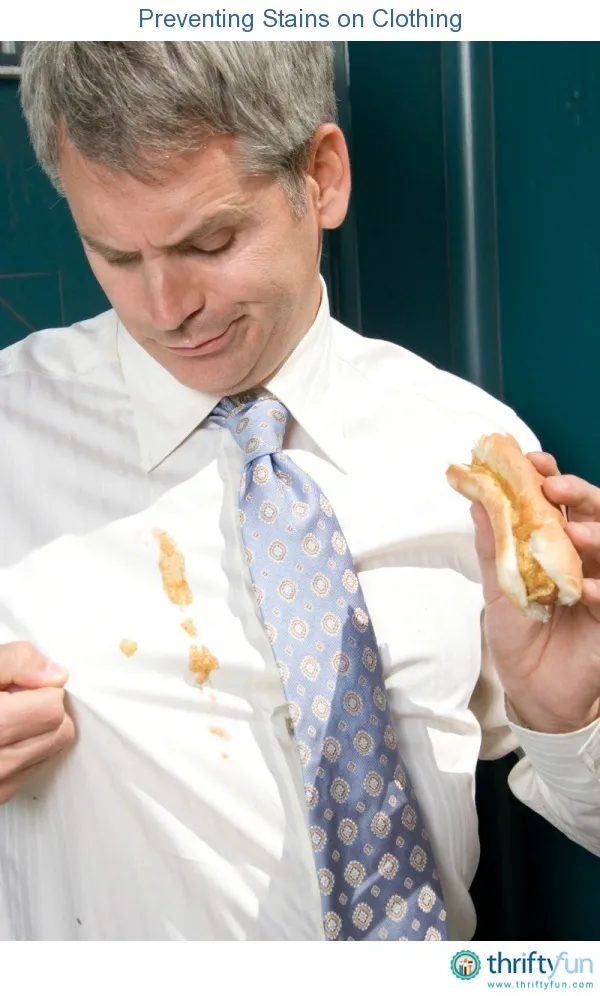
A drop of oily machboos, harees, or a greasy kebab is one of the most common food stains in any Kuwaiti home. Grease responds to the same approach as oud oil: absorb first, then break down the oil. Scrape off any solid food with a spoon, sprinkle cornflour or talcum powder to soak up the grease, and after twenty minutes apply a little dish soap directly to the mark. Work it in gently, rinse with cool water, and repeat if needed before washing as usual. If the dish contained turmeric or a rich tomato base, treat it quickly, as those colours set fast and can stain permanently once dried.
Coffee and Karak Tea
Karak, Arabic coffee, and regular coffee are tannin stains, which means they respond well to cold water if you catch them early. Rinse the back of the stain under cold running water straight away to flush out as much as possible. Then dab with a mix of cool water and a little mild detergent, or a splash of white vinegar for a stubborn karak mark, and rinse again. Avoid hot water, which sets tannin stains. If the drink had milk and sugar, treat the grease and the tannin together using the dish soap step above.
When to Call a Professional
Some pieces are simply too valuable or too delicate to risk. Silk, wool, a formal bisht, a beaded abaya, or anything labelled dry clean only should go straight to a professional rather than into your sink. The same goes for a stain that has already dried and set, a large oil spill, or any mark on a garment you cannot afford to lose. Home treatment on the wrong fabric can cause water rings, colour loss, or a weakened weave that no wash will repair.
At Laundrykhalas, stubborn stain treatment is part of our standard dry cleaning, which starts from KD 0.500 per item, so it is an easy and affordable safety net when a home remedy is not worth the risk. We offer free pickup and delivery on orders of KD 3.000 or more, with a 24 hour turnaround, and we serve all six governorates including Salmiya, Jabriya, Fahaheel, and Mangaf. If a stain will not budge or the fabric feels too precious to gamble with, message us on WhatsApp in Arabic or English and we will collect it, treat it properly, and return it looking its best.